 Business License

Why Baby Pull-Up Pants Are Becoming More and More Popular
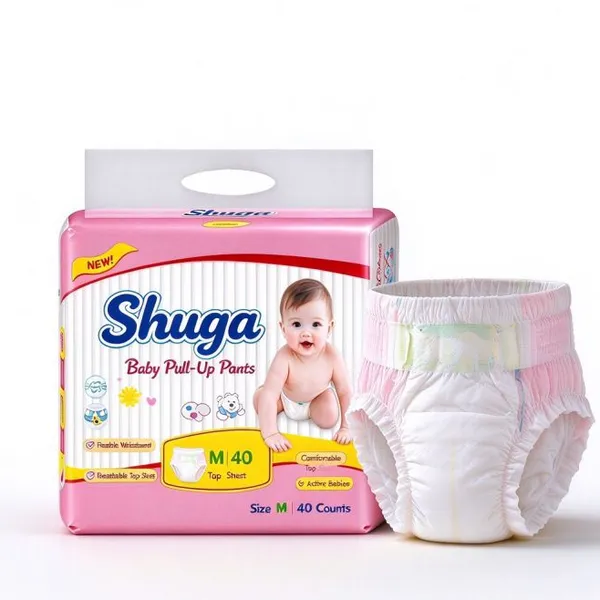
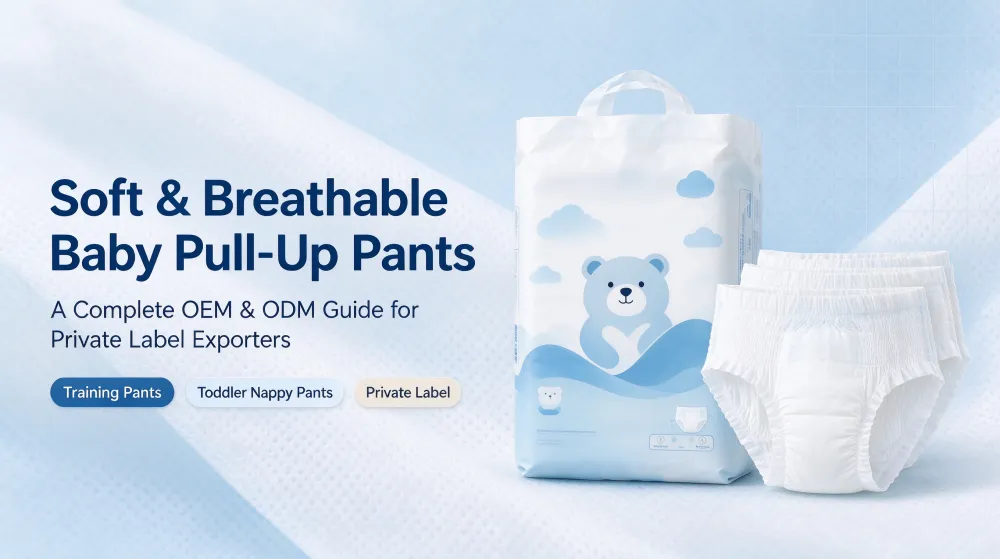
Baby pull-up training pants have become one of the fastest-growing segments within the global disposable hygiene market. For decades, traditional tape-style baby diapers dominated the shelves of supermarkets, baby stores and cross-border e-commerce platforms around the world. However, market demand has shifted dramatically in recent years. As more toddlers start crawling, standing and walking independently, parents are searching for a more convenient, flexible and user-friendly alternative to regular taped nappies. That is where baby pull-up pants, also widely known as training pants or toddler nappy pants, step in and capture market share across Southeast Asia, Africa, the Middle East and many other emerging markets with high birth rates and young populations.
If you are an importer, distributor, baby store owner or new brand founder planning to launch your own private-label baby hygiene line, understanding pull-up pants, their manufacturing logic, customization options and supply chain risks is essential. Many buyers simply compare unit prices without knowing the core differences between pull-ups and taped diapers, which often leads to mismatched products, customer complaints and lost market opportunities. This guide will walk you through everything you need to know about baby pull-up pants OEM and ODM, from product structure and material selection, factory evaluation standards, customization solutions, certification compliance, pricing logic and market operation strategies.
Why Baby Pull-Up Pants Keep Gaining Popularity Globally
Three major forces are pushing the continuous growth of pull-up pants demand, and these trends will remain strong in the coming years.
First of all, user scenarios and parenting habits have changed. Taped diapers require caregivers to lay the baby flat before fastening the hook-and-loop tapes. Once babies reach the potty-training stage, they become restless, active and unwilling to lie down for changes. Pull-up pants are designed just like underwear. Toddlers can stand while wearing or removing them, which greatly reduces the difficulty of diaper changes for parents and babysitters. This simple upgrade in wearing experience solves a real pain point for families with active toddlers. For nursing centres, kindergartens and childcare institutions, pull-up pants are also easier for staff to handle in busy daily routines.
Secondly, consumer awareness and market education are mature enough. In the early stage of this category, many buyers and end-users viewed pull-up pants as an expensive upgraded version of ordinary diapers, questioning whether they were worth the extra cost. Thanks to global leading hygiene brands’ long-term marketing and social media content from parenting influencers, consumers now clearly recognize the value of training pants. Today’s buyers are no longer debating whether pull-ups are necessary; instead, they focus on softness, breathability, leakage prevention, dryness and cost performance. This creates stable and sustainable market demand rather than short-lived hype.
Thirdly, pull-up pants bring better profit margins for brand owners and distributors. Compared with standard taped baby diapers of the same weight grade, pull-up pants usually carry a higher retail price, while the gap in raw material and manufacturing cost is relatively controllable. This means healthier gross profit space for private label operators. Besides, pull-up pants have more dimensions for differentiation. You can customize cartoon prints, elastic waistband specifications, thin or thick absorbent cores, skin-friendly top sheet materials and packaging styles to build unique brand images, instead of falling into brutal low-price homogenized competition.
For new entrants to the hygiene product business, adding baby pull-up pants to your product portfolio is a smart choice. Whether you run offline retail channels, online baby stores or wholesale distribution, training pants can complement taped diapers and enrich your product matrix to meet diversified customer demands.
Core Structural Differences: Pull-Up Pants vs Taped Baby Diapers
Many novice buyers mix these two products together and use the same evaluation standards, which is a common mistake. Their design logic is different because they serve different usage scenarios.
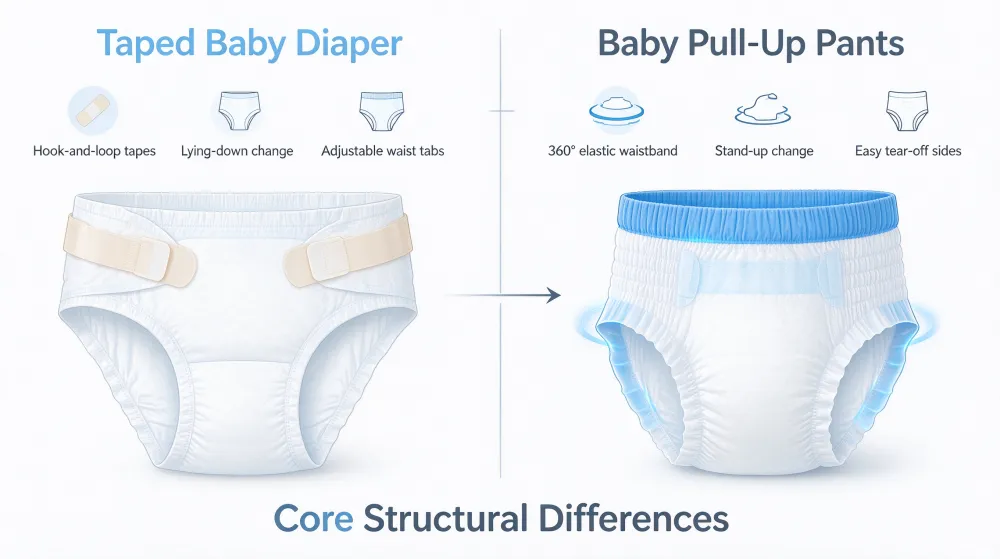
The most obvious difference is the wearing method. Taped diapers rely on hook and loop fasteners on both sides for adjustment and fixation. Pull-up pants adopt an integrated elastic waist structure, so users can pull them on directly like underwear. Most qualified pull-up pants have pre-scored tear lines on both sides of the leg cuffs. When the pants are soiled, caregivers can easily tear open the side seams, roll up the used pant and seal it before disposal. This disposal design is specially optimized for active toddlers.
The waistband system is the soul of a good pull-up pant. Unlike taped diapers, whose waist tension can be adjusted through tapes, pull-ups depend entirely on continuous elastic threads inside the waist panel to fit different baby waist circumferences. High-quality products use widened soft waistbands with multiple strands of spandex elastic. The waist must be stretchy enough to adapt to babies’ movements when crawling, jumping and running, yet it should not leave deep red pressure marks on delicate infant skin. Poorly made pull-ups either slip down easily during activity or squeeze the baby’s abdomen, causing discomfort and rejection. This waistband craftsmanship is one of the key indicators to judge a factory’s technical capability.
Leakage protection also has higher requirements for pull-up pants. Since toddlers move nonstop, urine and loose stool are much more likely to leak sideways. Premium pull-up pants are equipped with 3D raised anti-leak side barriers. The side cuffs are made of soft nonwoven fabric and fitted with fine elastic threads to form a standing guard. The height, softness and rebound performance of these side guards are critical. If the side barrier is too low or stiff, leakage complaints will increase sharply after bulk shipment.
The absorbent core needs to balance three goals: fast absorption, good lock performance and thinness. Active babies will feel uncomfortable if the diaper becomes thick and bulky after absorbing liquid. Manufacturers need to adjust the proportion of SAP super absorbent polymer and fluff pulp carefully. A reasonable core formula absorbs urine quickly, prevents rewet and keeps the surface dry for hours, while avoiding excessive bulking. Different markets have different preferences: hot and humid regions tend to favour ultra-thin breathable versions, while markets with cooler climates or users looking for overnight protection prefer thicker, high-capacity cores.
Top sheet material selection also affects user feedback a lot. Common options include hot air nonwoven and spunbond nonwoven. Hot air topsheet is softer and fluffier, more suitable for high-end positioning, while spunbond material offers stable quality and better cost advantages for economy lines. As your OEM supplier, we can switch materials according to your target market price range.
Once you master these structural distinctions, you can communicate clearly with your factory and explain product advantages professionally to your downstream buyers, instead of only saying “our quality is good”. Professional product knowledge builds trust with long-term wholesale partners.
Key Criteria to Evaluate a Reliable Pull-Up Pants OEM & ODM Factory
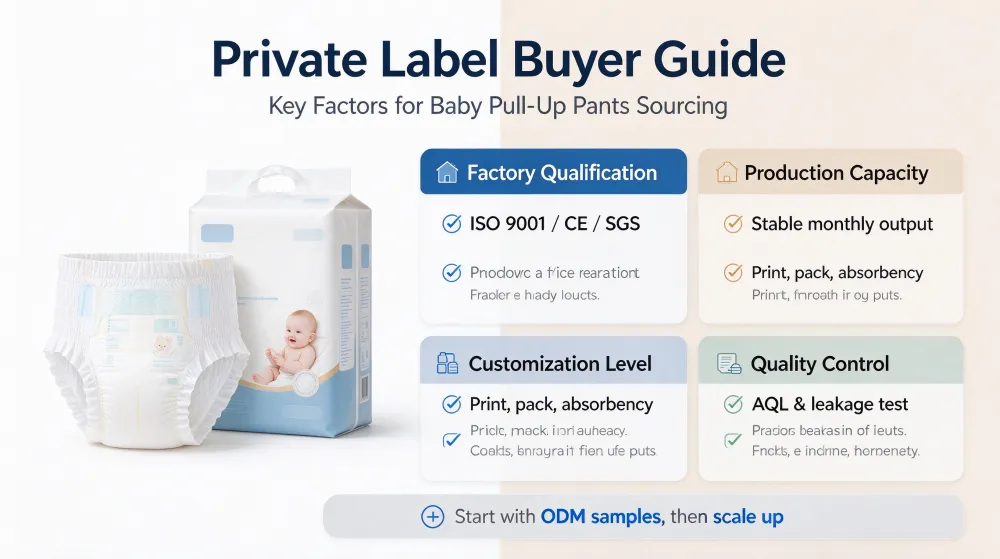
Choosing the wrong manufacturer can ruin your brand reputation and cause heavy financial losses, even before your product reaches end consumers. Price should never be your only judging standard. We recommend evaluating suppliers from five core dimensions.
First, check formal qualifications and certificates. Compliance documents are the entry threshold for export orders. A legitimate disposable hygiene factory should hold ISO 9001 quality management system certification. For European markets, CE certification is widely required. Buyers from India will ask for BIS certification. Many customers in Africa, the Middle East and Southeast Asia also accept SGS third-party test reports covering skin irritation, heavy metal content and absorbency indicators. Before signing a formal contract, ask the supplier to provide scanned copies of valid certificates and confirm whether the documents match the factory entity. Never work with uncertified small workshops, as customs inspection or local market supervision may detain your goods.
Second, verify production equipment and stable monthly capacity. Production capacity directly decides whether the supplier can deliver your order on schedule. High-speed pull-up pant production lines from well-known brands deliver stable forming quality and fewer defective products. Ask the supplier about the number of dedicated pull-up pant lines, daily output and maximum monthly supply volume. For large 40HQ container orders, confirm how many working days are required for production. Experienced buyers also request shipment records and loading photos as supporting proof of capacity. A factory with unstable output will delay your delivery and damage your credibility with your own clients.
Third, examine sampling and customization capability, which separates genuine ODM factories from simple processing workshops. A capable supplier can adjust nearly every detail of the pull-up pants as per your request: waist elastic density, SAP ratio of the absorbent core, topsheet material, embossing pattern, printing artwork, packaging design, pack quantity and carton specifications. A weak factory can only copy existing samples rigidly and cannot optimize formulas for local climate or consumer habits. A good sign is fast sampling speed. Standard samples should be ready within 3–7 working days after you confirm specifications. Slow sampling often indicates weak R&D and scheduling capacity.
Fourth, investigate the internal quality control system. Baby hygiene products contact sensitive infant skin directly, so quality control cannot be loose. Ask your supplier about online inspection procedures, AQL sampling standards, defect elimination rules and finished product retention sample tracking mechanisms. Standard inspection items include absorption speed, rewet value, leakage test, waist stretch recovery, surface dryness and visual appearance check. Always test samples yourself before bulk production, or arrange third-party lab testing if your customer has strict requirements. Hidden quality defects will trigger mass returns and negative reviews once your products hit the market.
Fifth, assess communication efficiency and after-sales cooperation attitude. In international trade, communication gaps cause more disputes than technical problems. Test the supplier’s response speed at the early negotiation stage. A professional sales team replies clearly, answers technical questions patiently and actively provides suggestions for your market, rather than only pushing you to place orders. Clarify the responsibility division for defective goods, rework solutions and compensation clauses in the contract in advance.
OEM vs ODM: Which Model Fits Your Private Label Business?
Many overseas buyers confuse OEM and ODM services. These two cooperation modes suit different business stages and resource conditions.
OEM means original equipment manufacturing. You provide complete specifications, reference samples, artwork and material requirements. The factory strictly follows your standards and prints your brand logo on finished goods. This mode gives you maximum control over product design. It works best when you already have mature product formulas and clear positioning, and you only need a qualified factory to handle mass production. The downside is that you need strong product expertise to define every parameter accurately. If your specification plan has flaws, the final products will fail to meet expectations.
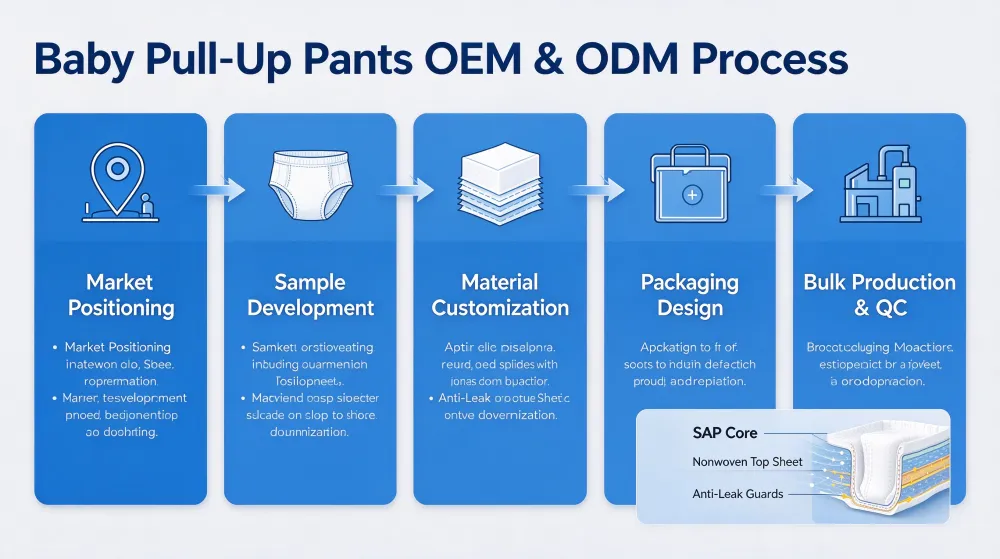
ODM refers to original design manufacturing. The supplier owns mature, market-verified base product templates. You can select a proven base model and make partial customizations: change printed patterns, adjust packaging, modify absorbency grade or tune softness. You do not need to finish all product development work from scratch. ODM is the most popular starting route for new private-label brands. It lowers trial costs, shortens development cycles and has relatively friendly MOQ. After your brand gains stable sales and market feedback, you can move toward deeper customized OEM development gradually.
For most cross-border wholesalers and emerging baby brands, we highly recommend starting with ODM cooperation. You can test market reaction with small trial orders first, avoid huge R&D risks, and launch your brand goods quickly.
Packaging Customization: An Overlooked Branding Weapon
With identical pull-up pants inside, branded packaging can raise perceived value and selling price significantly. Packaging is the first touchpoint between your brand and end consumers, and it also affects logistics and container loading efficiency.
Your packaging design should deliver clear selling points at a glance: ultra-thin breathable, high absorbency overnight, leak-proof, skin-friendly, for potty training, etc. Many buyers choose cute cartoon patterns that appeal to toddlers and parents. Our factory supports neutral blank packaging, custom colour printed poly bags, colour boxes and gift-style packaging solutions.
You also need to decide pack sizes according to local channel habits. Some markets prefer large family economy packs with many pieces per bag; consumers in other regions favour small trial packs to test quality before repurchasing. Confirm pack quantity, outer carton size, gross weight and net weight with your supplier, because these data decide how many cartons fit into one 40HQ container and your final FOB quotation.
Outer carton printing and shipping marks cannot be ignored either. Overseas clients pay close attention to carton hardness, printing clarity and mark information. Before mass production, always confirm digital proofs, packaging samples and carton samples one by one to avoid costly rework after production starts.
Pricing, Payment Terms & Delivery Management for Export Orders
Many potential orders fall through because suppliers cannot provide transparent and accurate quotations. Before sending an FOB quotation to your buyer, you need to calculate all cost components clearly: raw material manufacturing cost, domestic inland freight to port, customs declaration fee, port handling charge and reasonable profit margin. Remember that FOB price excludes ocean freight and insurance. If your customer requests CIF terms, you will add sea freight and insurance fees separately.
Container loading calculation is also essential. The total quantity per 40HQ container depends on your finalized carton dimension. Share the container loading plan with your buyer so they can evaluate order volume and logistics budget conveniently. This detail greatly improves your professional impression.
Common payment terms in this industry are 30% T/T deposit before production, and the balance paid against the copy of bill of lading. Some regular large customers may request L/C. Always write production lead time clearly on PI: normally 15–25 working days after receiving the deposit. Confirm MOQ, production cycle and delay liability clauses to prevent disputes.
Compliance varies by destination country. Always confirm local regulatory requirements with your buyer before production. Prepare the required certificates and test reports ahead of shipment to avoid customs hold-up.
A Practical 3-Step Roadmap for New Private Label Brands
If you are ready to launch your own baby pull-up pants line, follow this low-risk development path.
Step one: Lock your target market, consumer group and price tier first. The product you sell to the Middle East market will differ from the product for Southeast Asia in thickness, absorbency and packaging preference. Clarify your sales channels: offline baby shops, supermarkets, cross-border e-commerce or bulk wholesale, then define product positioning accordingly.
Step two: Select one or two qualified manufacturers, request samples and run quality tests. Compare softness, absorption speed, anti-leak performance and workmanship. Check sample delivery speed and the supplier’s willingness to adjust details for you.
Step three: Start with a small trial ODM order for market testing. Collect feedback from end users and distributors. Once sales perform steadily, increase order volume and upgrade deeper customizations such as exclusive formulas and unique artwork.
Baby pull-up pants remain a promising, growing category in the global disposable hygiene sector. For traders and brand owners with reliable supply chain partners, proper product positioning and stable quality control, this business brings sustainable growth opportunities. The core of long-term success is simple: find a trustworthy OEM/ODM manufacturer, understand your local buyers’ real needs, control product quality strictly and build your brand step by step.
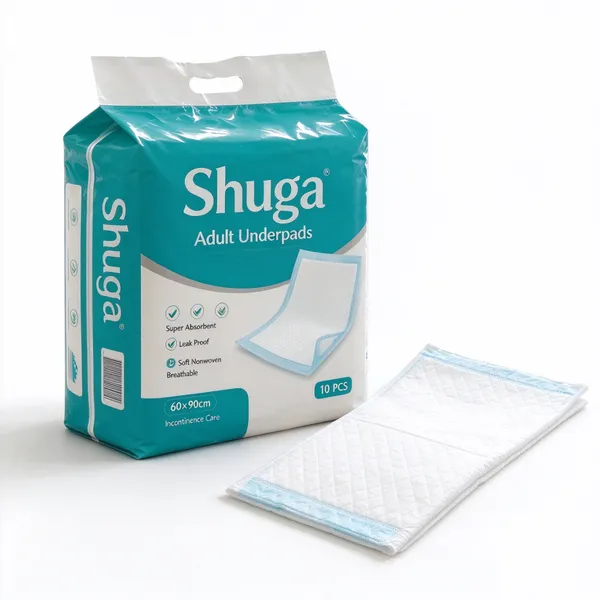
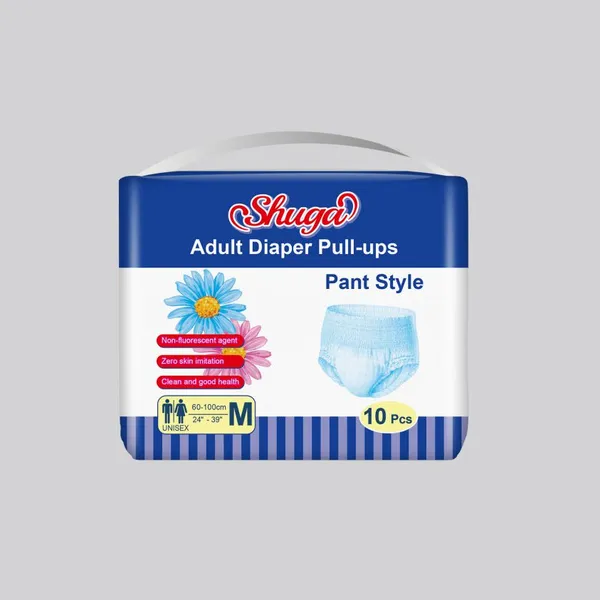
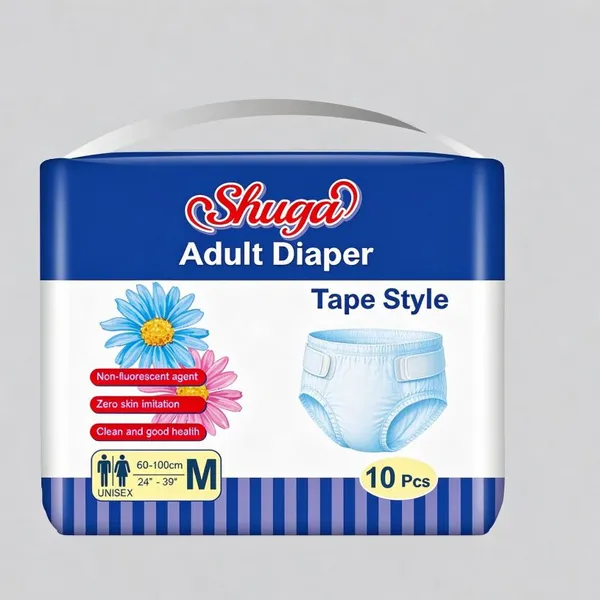
At Hebei Fanqi Technology Co., Ltd., we specialize in disposable hygiene product OEM and ODM services, covering baby diapers, baby pull-up training pants, adult incontinence diapers, under pads and pet diapers. We provide free samples, competitive FOB pricing, stable monthly capacity and full customization for your private label. Feel free to contact us for samples and quotations if you are looking for a long-term reliable hygiene product supplier.
Recently Posted
-
Disposable Hygiene Products OEM/ODM: Your Complete Guide to Choosing the Right Diaper & Underpad Manufacturer
October 19, 20261.Why Global Buyers Are Turning to Private Label Hygiene ProductsThe global market for disposable hygiene products has never been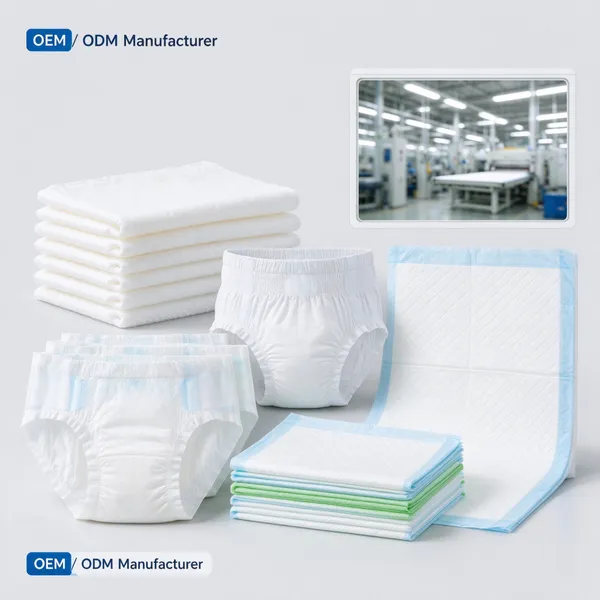 Read More
-
Professional Manufacturer of Disposable Baby & Adult & pet Diapers,Underpads, OEM & ODM Service Available
October 8, 2026Hebei Fanqi Technology Co.,Ltd is a professional manufacturer of disposable hygiene products based in China. Our core product port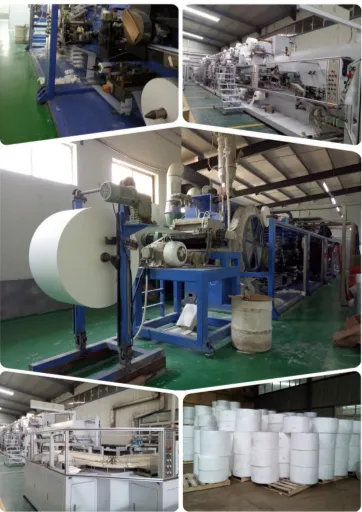 Read More
-
High Absorbency Disposable Adult Tape Diapers for Nursing Home & Private Label OEM
September 30, 2026In recent years, the global demand for professional adult incontinence care products has continued to grow steadily. With t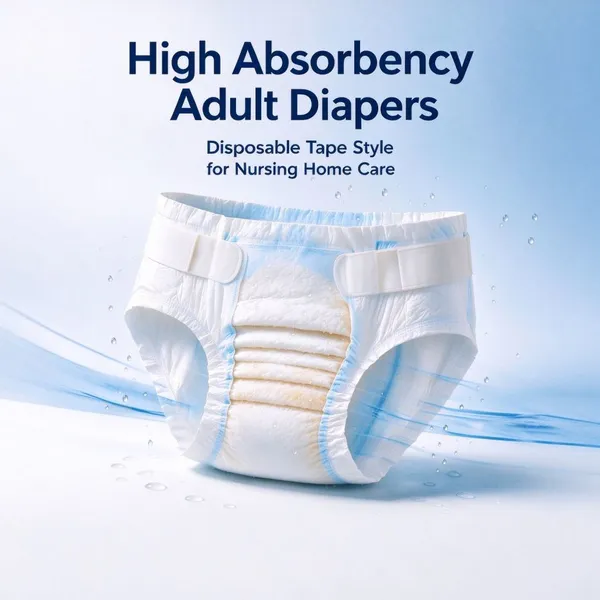 Read More

Contact Us
Recommended Products
-
 Adult Disposable Waterproof Nursing Underpads for Men Women Wholesale Blue Toilet Tissue Bed Mattress Incontinence Pee PadsUS$ 0.02 - 0.04MOQ: 2000 Pieces
-
Customize Wholesale Cheap Super Thick Elderly Nappies Ladies Incontinence High Absorption Adult Diaper Pants Pull up Disposable for PantiesUS$ 0.04 - 0.07MOQ: 5000 Pieces
-
High Absorption Disposable Pull-Up Pants Customized Baby Diaper Wholesale Breathable for Pull Ups for Baby Custom Brand Diapers Pants for InfantsUS$ 0.03 - 0.07MOQ: 2000 Pieces
-
Customizable Disposable Adult Diapers Quick-Drying Pull-Up Pants-Style High Absorbent Quick-Drying for Elderly OEM ProcessingUS$ 0.09 - 0.13MOQ: 5000 Pieces
-
Dry Soft New Born Disposable Diapers Nappy For Baby/ High Absorbent Soft Diapers for Infants/ Baby Pant Diaper Wholesale Private Label DiapersUS$ 0.03 - 0.06MOQ: 5000 Pieces